
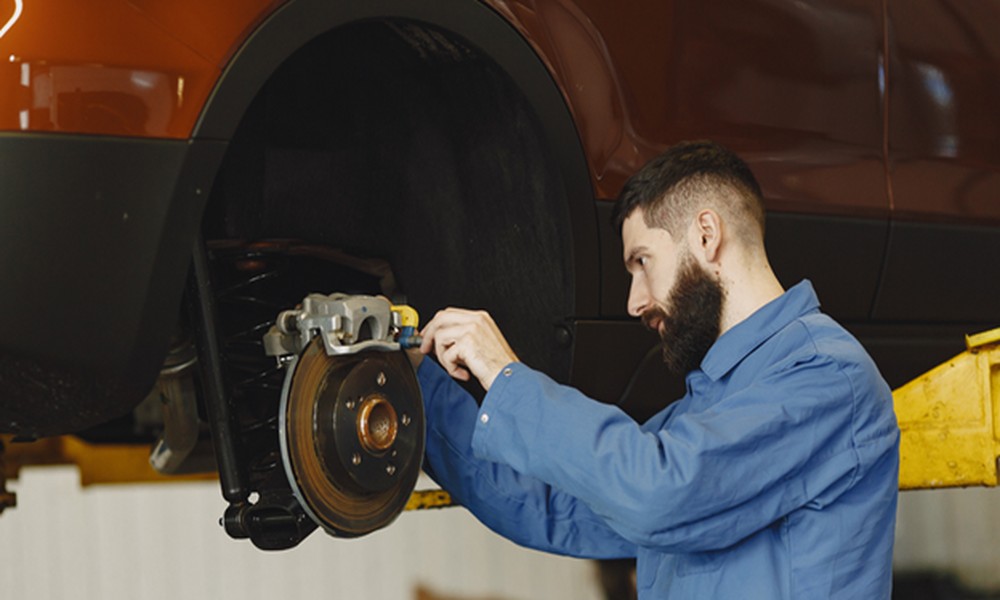
When it comes to maintaining a 4×4 truck or SUV, every modification and replacement part matters. Because these vehicles are heavier, haul larger payloads, and routinely tackle demanding terrains, choosing the right components can fundamentally alter how your vehicle handles under pressure.
One of the most crucial yet frequently misunderstood decisions comes during a routine brake job: deciding between ceramic and semi-metallic brake pads. While both options will technically slow your vehicle down, they are manufactured using entirely different materials and engineering philosophies. For a commuter car, the choice might not matter much-but for a heavy-duty 4×4, picking the wrong pad can compromise your stopping distance when you need it most.
Understanding these six critical differences will help you choose the right friction material for your driving style.
1. Material Composition and Density
The core difference between these two options lies right in their names. Semi-metallic brake pads are comprised of anywhere from 30% to 65% metal by weight, utilizing chopped wires or powders made from steel, iron, copper, and graphite molded together with durable binding resins.
Ceramic brake pads, on the other hand, are constructed from a dense ceramic compound fired in a kiln, interspersed with copper fibers to help manage heat. This material difference makes semi-metallic pads significantly harder and more structurally rigid, whereas ceramic pads are slightly softer but exceptionally resilient against long-term surface wear.
2. High-Heat Dissipation and Friction Stability
When descending a steep mountain pass or crawling down a rocky trail, your braking system converts kinetic energy into thermal energy. Semi-metallic pads excel at extreme thermal management because metal is an excellent natural conductor of heat. They draw heat directly away from the rotor and dissipate it rapidly through the entire braking assembly.
Ceramic compounds behave more like thermal insulators. While they can handle high temperatures without breaking down, they do not conduct heat away from the braking surface as efficiently as metal does. Under severe, prolonged braking, ceramic pads can push excessive heat back into your steel rotors, potentially increasing the risk of rotor warping.
3. Low-Temperature Grip (“Cold Bite”)
For off-roaders and winter drivers, “cold bite”-how well a brake pad grips the rotor on the very first press of the pedal before the system warms up-is a critical safety factor. Semi-metallic pads offer exceptional cold bite. They provide immediate, aggressive stopping power the moment you tap the pedal, regardless of whether it is freezing outside or if you just started your truck.
Ceramic pads generally require a brief warmup period to reach their optimal operating temperature zone. When completely cold, a ceramic pad can feel slightly sluggish or require firmer pedal pressure to achieve the same stopping force.
4. Performance Under Heavy Towing and Off-Roading
If your 4×4 is heavily modified with steel armor, winches, and massive 35-inch mud-terrain tires, your vehicle has significantly more rolling inertia than it did when it left the factory showroom. Add a heavily loaded overland trailer or a boat into the equation, and your braking requirements skyrocket.
Semi-metallic pads are the clear winner for severe-duty applications, heavy towing, and extreme off-roading. Their aggressive coefficient of friction provides the raw mechanical stopping power needed to haul down a massive amount of weight. Ceramic pads are well-suited for daily commuting, light trail riding, and standard highway driving, but they can experience premature brake fade when pushed to the limit by heavy towing.
5. Noise and Vibration Levels
If you value a quiet, comfortable cabin experience, ceramic pads are highly superior. They operate almost completely silently because the ceramic compound absorbs and dampens high-frequency harmonic vibrations rather than amplifying them.
Semi-metallic pads are notoriously louder. The metal-on-metal contact between the pad compounds and the steel rotor naturally creates more squealing, humming, and clicking noises, especially when cold or when fine trail dust settles into the brake assembly.
6. Brake Dust Production and Wheel Cleanliness
Brake dust isn’t just an aesthetic nuisance; it can actually corrode aluminum wheels if left unwashed. Ceramic pads produce a very fine, light-colored dust that does not easily stick to wheels, keeping your rig looking cleaner for longer.
Semi-metallic pads produce a large volume of dark, heavy, metallic dust. This dust contains tiny iron particles that can bake onto your wheels under high heat, requiring frequent scrubbing to protect your vehicle’s finish.
Ultimately, selecting the perfect brake pad depends entirely on how you use your 4×4. If your truck or SUV is a daily driver that rarely tows, and you value a quiet ride with clean wheels, ceramic pads are an excellent choice. However, if your vehicle routinely carries heavy gear, climbs mountain passes, or runs oversized tires, the raw stopping power and superior heat handling of semi-metallic pads are well worth the trade-off in noise and dust.
No matter which compound you choose, ensuring your system is properly installed and bedded-in is paramount. Booking a professional Denver truck brake service ensures your pads are perfectly matched to your driving habits, your rotors are measured or replaced, and your entire hydraulic system is fully vetted for your next adventure.
